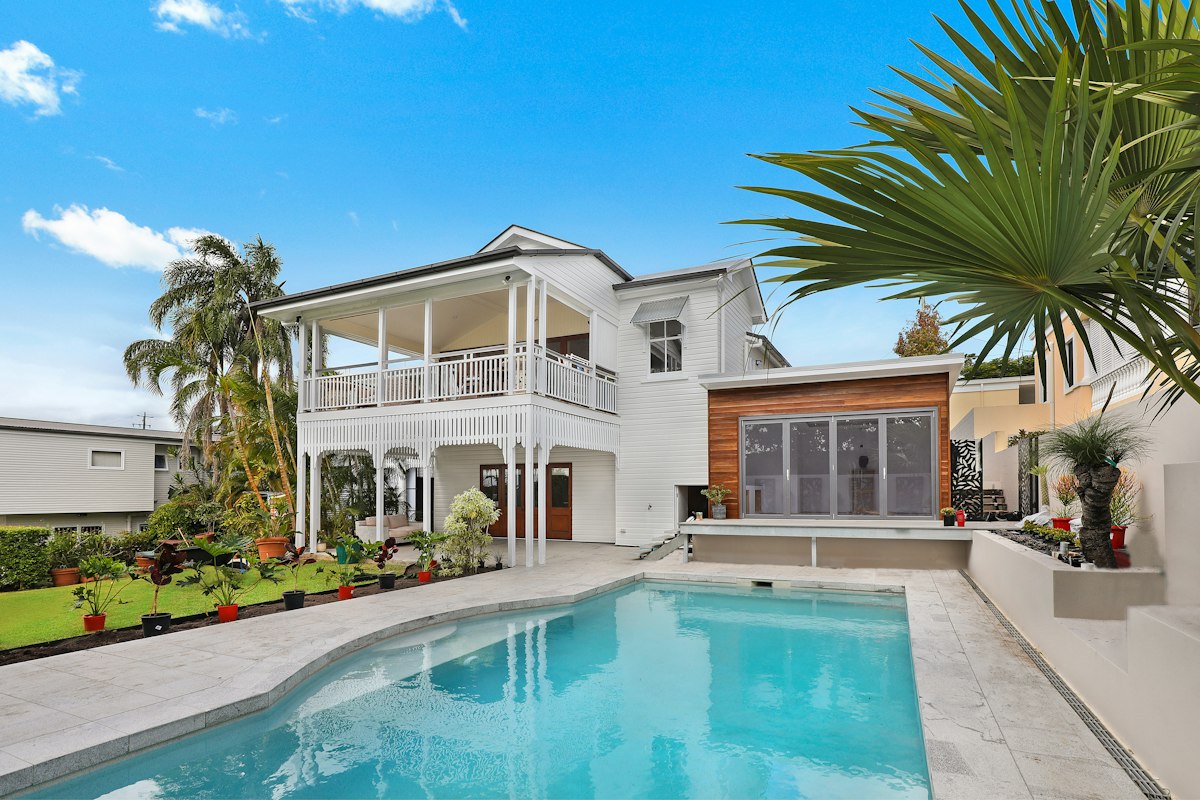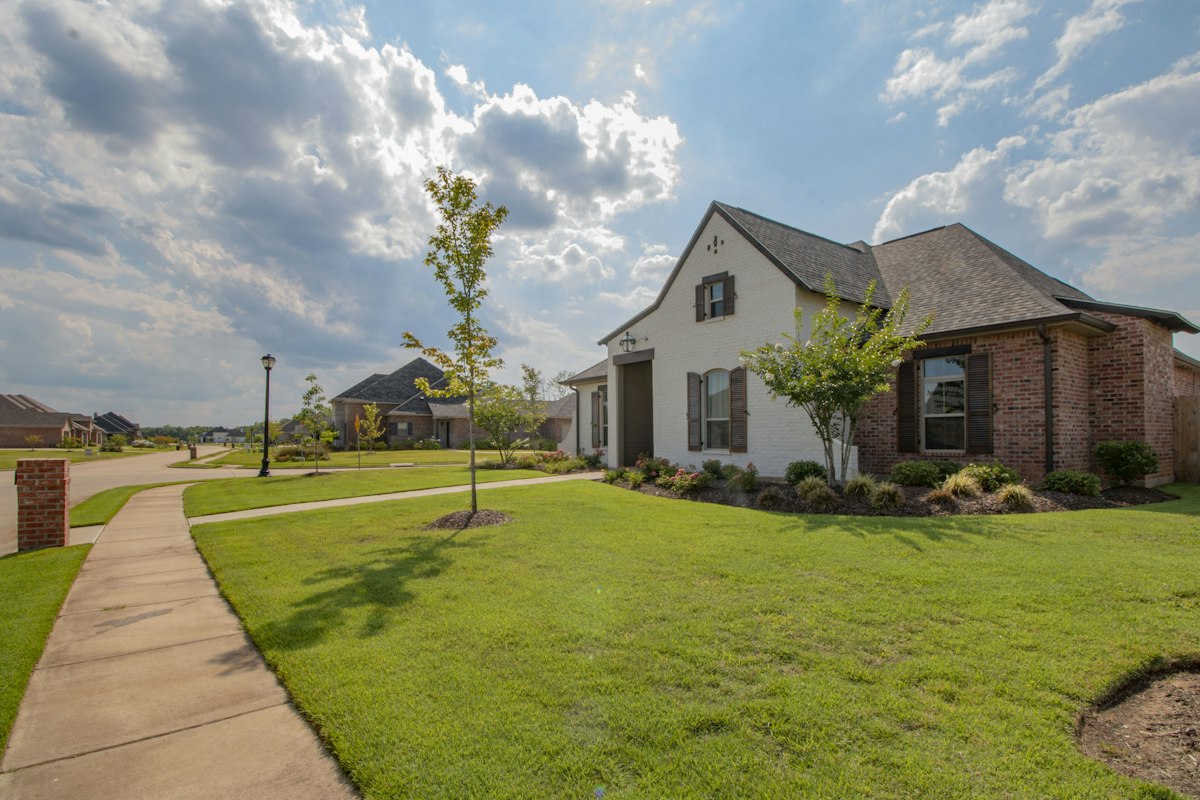
Put the properties beside each other
A Clover-versus-Fort Mill decision becomes more useful when the comparison includes actual homes. Begin with your budget, intended use and regular destinations. Record which features are essential and which you would be willing to trade for something else.
Use the Clover guide and Fort Mill guide as research starting points. Avoid assuming that every Clover home has more land or that every Fort Mill home offers a shorter journey.
Look closely at the land and responsibilities
For each address, ask about boundaries, access, drainage, utilities, easements and maintenance. A larger advertised lot does not establish usable space or permission for a particular project. Request the relevant documents and professional advice for your plans.
If an HOA applies, compare its actual rules and costs. If considering land or a custom build, identify feasibility questions before assuming that a home can be constructed as intended.
Verify schools, services and travel
Confirm assignments and enrollment requirements directly with the relevant district. Investigate services using the property address and test your own routes at appropriate times. One citywide commute estimate or school label cannot describe all the homes under consideration.
Keep the financial assumptions consistent
Review current asking information and relevant comparable sales alongside condition and property features. Obtain estimates for taxes, insurance, utilities and maintenance, and compare lender offers using the same assumptions. Do not treat a generalized price gap as a guaranteed saving.
Use the community comparison tool to record advantages and unanswered questions, then schedule a buyer consultation. A helpful comparison makes the tradeoffs visible and leaves the final priorities with you.